Skilled nursing and rehabilitation for the residents of Tooele County and the surrounding areas

About Willow Springs
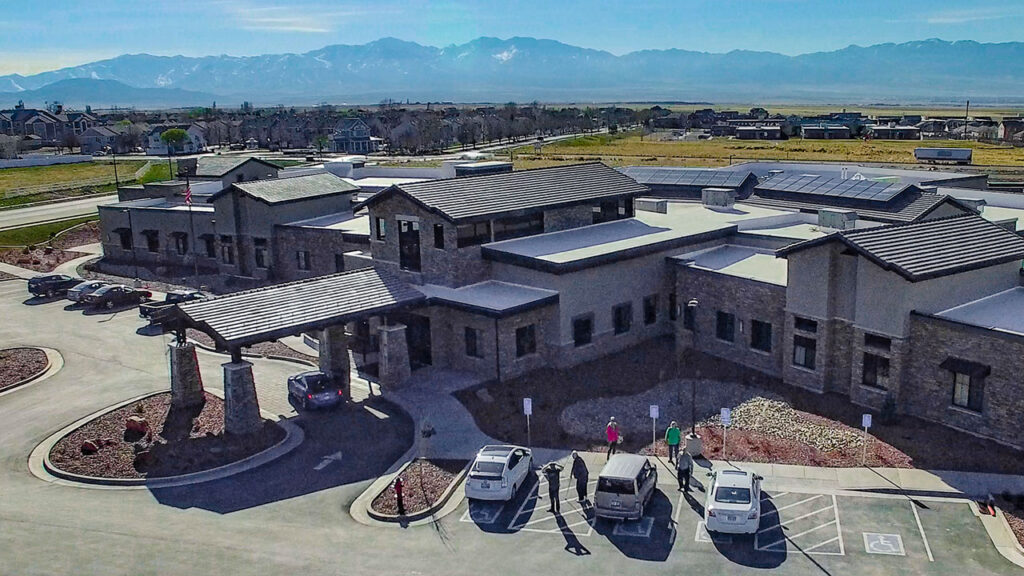
Rocky Mountain Care in Tooele is a leader in skilled nursing care and rehabilitation services. Our care center in Tooele provides exceptional care for our patients and encourage family involvement during the rehabilitation process. We are fully staffed with local nurses, therapists, and office personnel who develop individualized wellness plans for our patients. Our professional and caring team of RNs, LPNs, and CNAs are staffed 24 hours a day to provide the best service while in recovery. Rocky Mountain Care is the only rehabilitation and skilled nursing community in Tooele, which means you or your loved one can remain close and in their community during recovery. Rocky Mountain Care in Tooele will give you and your loved ones quality care with our hometown charm.
Overview:
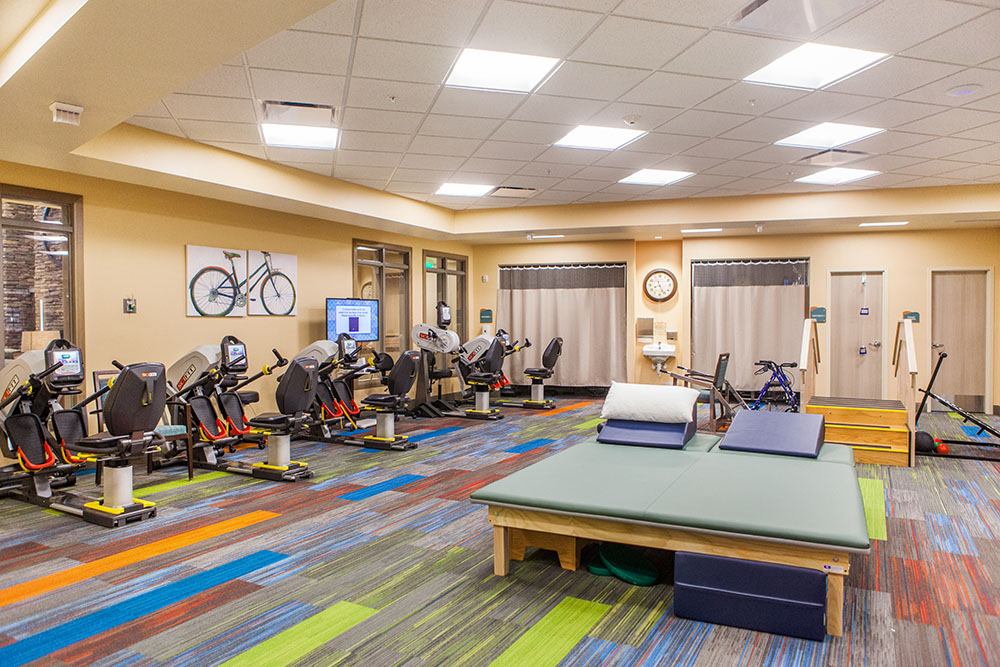
- Innovatively designed facility with a spacious fitness center offering the latest, state-of-the-art therapy equipment
- Private rooms
- Private baths with walk-in showers
- 32” to 42” flat screen televisions with DirecTV
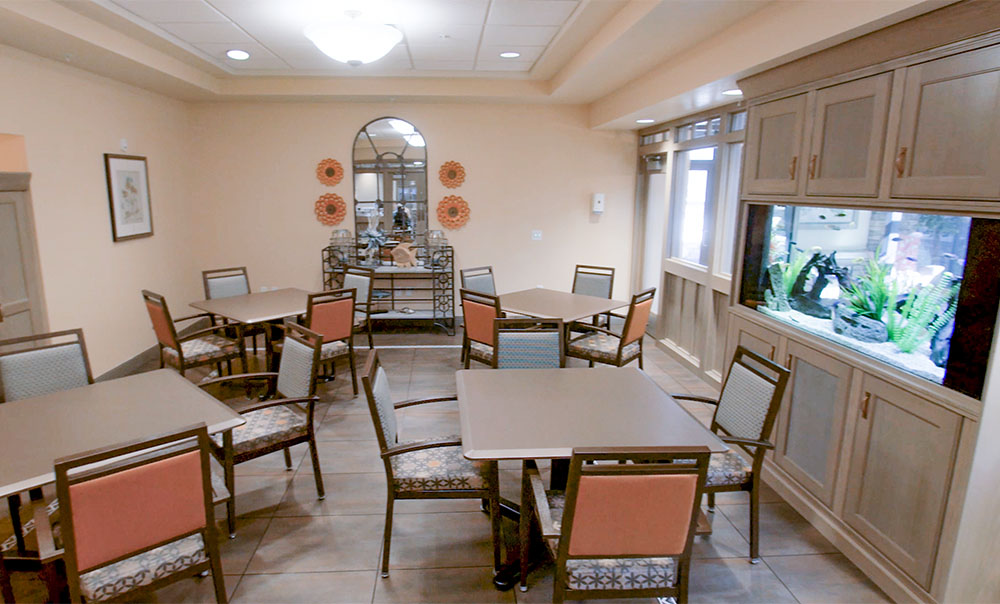
- Fine dining with meals prepared by an award-winning chef
- Extra wide beds with pressure relieving, therapeutic mattresses
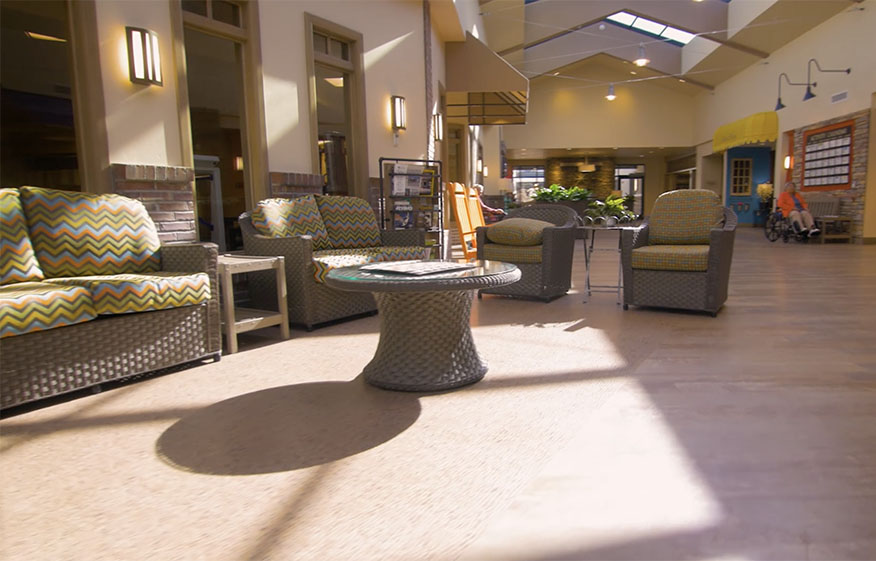
- Old fashioned ambiance showcasing “Center and Main Streets” with a fully operational beauty salon and ice cream parlor
- Wireless high-speed internet throughout





Awards
Rocky Mountain Care, a Utah-based provider of healthcare services, is proud to announce that they are the recipient of Activated Insights 2025 Customer Experience Award™. Qualifying for the award in the category, Rocky Mountain Care displays a continued dedication to providing Best-in-Class senior healthcare services, in the following area(s):
- Cleanliness
- Professional Therapy Services

Amenities
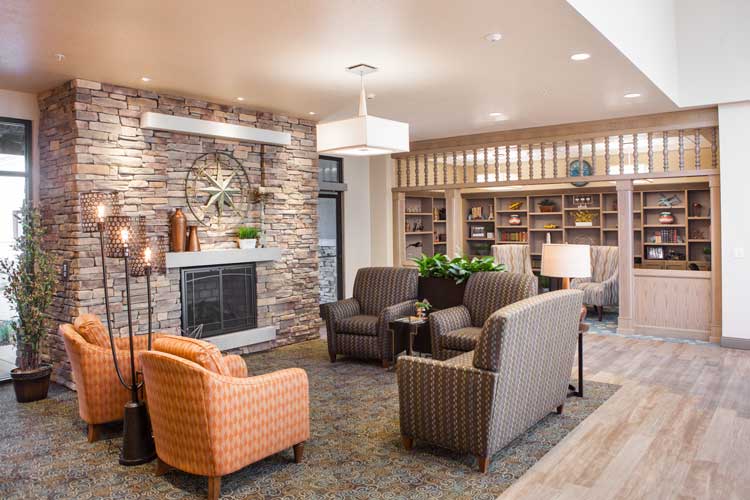
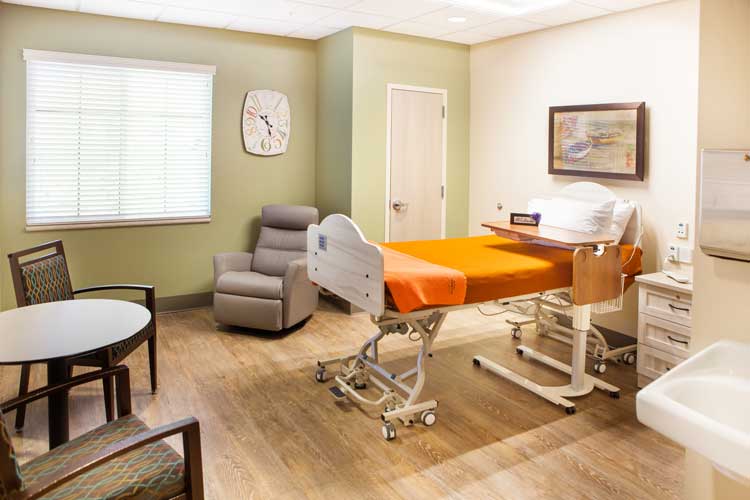
When staying at Rocky Mountain Care in Tooele, we want all of our residents to feel at home. We strive to make our patients’ stays at our Tooele transitional rehabilitation facility as comfortable as possible while maintaining the highest quality care possible for each resident. Our Tooele Transitional Rehabilitation Center offers patients spacious private and semi-private rooms complete with flat-screen televisions, large private bathrooms, and comfortable surroundings.
Our residents also have Wi-Fi internet access and a computer nook for patient and family use. A full-service salon is also available on-site for our residents, and with a common television area complete with DVDs and fresh popcorn, our residents are able to socialize, all while receiving the best possible nursing care.
Care Continuum Services
At Rocky Mountain Care Willow Springs, we provide a full continuum of care to meet your changing needs. Whether you or your loved one requires short-term rehabilitation, ongoing support at home, or specialized end-of-life care, our compassionate team is here to help every step of the way.
Frequently Asked Questions
What rehabilitation services are offered at Willow Springs?
Our team of rehabilitation specialists works with our patients and their families to restore residents to the highest possible level of independence. Our physical, occupational, and speech therapists help residents to increase their strength and relearn basic living skills that may enable them to return home or to lesser levels of care. The therapy team is comprised of a friendly and dynamic group of PTs, PTAs, OTs, COTAs, and SLPs. Our team has accumulated a wide range of experience in several settings including:
- Inpatient transitional rehabilitation for orthopedic, neurologic, and general medicine patients
- Physical therapy
- Occupational therapy
- Speech therapy
- Outpatient therapy services
- Lymphedema therapy
- Home care therapy services
What therapy services are available?
Skilled nursing facilities offer a range of therapy services designed to help residents regain independence and improve their quality of life. These commonly include physical therapy for strength and mobility, occupational therapy for daily activities, and speech therapy for communication and swallowing. Additionally, Rocky Mountain Care Willow Springs also offers outpatient therapy. Recovering from an injury, illness, or surgery takes time. Having highly skilled and caring people to guide you on your journey to better health and wellness is key to achieving the best results. Our trained professionals at Rocky Mountain Care provide high-quality outpatient therapy services.
How long do rehabilitation stays typically last?
Rehabilitation stays in a skilled nursing facility (SNF) can vary, typically lasting from a few days to several weeks, depending on individual needs and progress. It can range from just a short couple of weeks to a couple of months.
What is the Upper Payment Limit (UPL) Program?
Utah’s Skilled Nursing Facility Upper Payment Limit (UPL) program is a federally authorized Medicaid funding program designed to help cover the gap between what Medicaid pays and the actual cost of caring for Medicaid patients in nursing homes across the state. It brings more than $100 million dollars in federal funds to the state annually at no cost to Utah taxpayers. These additional funds are used to improve resident care in nursing facilities through investments in staffing, infrastructure, technology, and quality-of-life enhancements. The UPL program not only dramatically increases the resources that are available for care across the state but also ensures that some of Utah’s most vulnerable seniors can access high-quality, long-term care. Without the UPL program, many skilled nursing facilities would struggle to stay open.
How does Medicaid funding support skilled nursing facilities?
Medicaid supports skilled nursing facilities by paying for a broad range of services for eligible individuals, including room and board, 24-hour nursing care, rehabilitation, and medical supplies. In some states like Utah, Medicaid’s routine per diems, along with supplemental payments, can cover over 100% of facility costs on average, while without supplemental payments, it covers approximately 78% of costs.
For eligible beneficiaries, Medicaid pays 100% of nursing home costs. Medicaid is the primary payer for nursing home care in the U.S., directly funding residents’ care and providing financial support that enables many to use their Medicare benefits as well. For many residents who remain after Medicare coverage ends, Medicaid quickly becomes their primary payer.
Services covered by Medicaid in skilled nursing facilities include:
- Nursing and related services
- Specialized rehabilitative services
- Medically-related social services
- Pharmaceutical services
- Dietary services individualized to the needs of each resident
- Professionally directed program of activities
- Emergency dental services
- Room and bed maintenance services
- Routine personal hygiene items and services
- Transportation to medical appointments
In Utah, Medicaid’s Nursing Home Medicaid program specifically covers costs for financially limited residents who require a Nursing Facility Level of Care. This includes payment for room and board, skilled nursing care, physician’s visits, prescription medication, and various other medical and non-medical goods and services. The amount Medicaid pays in Utah depends on the resident’s income.
What should families know about Medicare and Medicaid coverage for long-term care?
Both programs provide health coverage, but Medicare is an “entitlement” program, meaning that everyone who reaches age 65 and is eligible for Social Security benefits also receives Medicare. (Medicare also covers people of any age who are permanently disabled or who have end-stage renal disease.)
Medicaid, on the other hand, is a public assistance program that helps pay medical costs for individuals with limited income and assets. To be eligible for Medicaid coverage, you must meet the program’s strict income and asset guidelines. Also, unlike Medicare, which is totally federal, Medicaid is a joint state-federal program. Each state operates its own Medicaid system, but it must conform to federal guidelines to receive federal funds, which pay for about half the state’s Medicaid costs. (The state picks up the rest of the tab.)
Medicare and Medicaid Coverage of Long-Term Care. The most significant difference between Medicare and Medicaid in the realm of long-term care planning, however, is that Medicaid covers nursing home care, while Medicare, for the most part, does not. Medicare Part A covers only up to 100 days of care in a “skilled nursing” facility per spell of illness.
How does skilled nursing care help after a hospital stay?
Skilled nursing care after a hospital stay provides a transitional support system, offering continuous medical monitoring, assistance with daily activities, and various therapies to help individuals regain strength, mobility, and independence, and safely return home. This type of care also helps prevent hospital readmissions. Skilled nursing facilities (SNFs) bridge the gap between hospital treatment and a stable daily routine at home, offering short-term care for those recovering from serious injuries, surgeries, or illnesses.
Key Aspects of Skilled Nursing Care
- Comprehensive Medical and Rehabilitative Support: SNFs offer around-the-clock medical care from registered nurses and doctors, alongside rehabilitative therapies like physical, occupational, and speech therapy. These services are crucial for regaining strength, improving independence, and managing ongoing medical needs such as wound care, IV medication, and medication management.
- Assistance with Daily Activities: Patients receive support with daily tasks, helping them rebuild their ability to care for themselves.
- Focus on Recovery and Independence: The goal of skilled nursing care is to help individuals recover more completely before returning home. This includes developing personalized treatment plans that cater to individual recovery goals, such as reducing reliance on a wheelchair or improving the ability to perform everyday activities.
- Prevention of Readmissions: Studies suggest that individuals transitioning to skilled nursing care often experience fewer complications and faster recoveries, reducing the likelihood of hospital readmissions. This is achieved through continuous monitoring, infection prevention, and optimized nutrition and hydration.
- Emotional and Social Support: Beyond physical care, skilled nursing facilities also provide emotional and social support, which is vital during a challenging recovery period.